Homeowner guide
Crawl Space or Slab: How Water Damage Differs
Your foundation type changes where water goes and how it gets found.
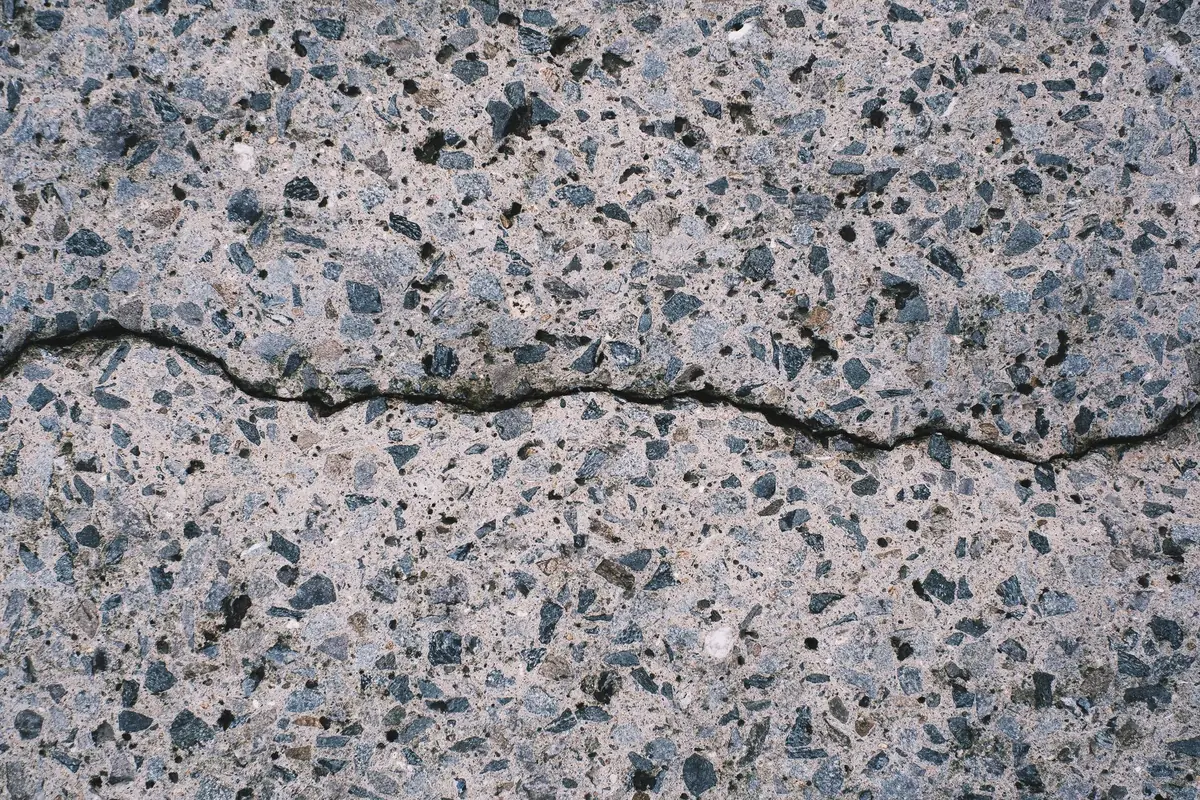
Two common foundations
Southeast LA homes are built either on a concrete slab or on a raised foundation with a crawl space. Many bungalows from the 1920s to 1940s have crawl spaces; later homes more often have slabs.
Raised foundation homes
Water that escapes inside can run down through floor gaps into the crawl space, where it can sit for a long time. Wood framing and subfloor can stay damp, and the crawl space dries slowly without airflow. Signs include musty smells, soft or bouncy floors and cupping hardwood.
Slab homes
Pipes can run through or under the slab. A leak may travel along the slab, rise through cracks or wick up into walls. Warm floor spots, a running meter and damp baseboards are common signs.
What providers check
- Moisture readings in floors, walls and framing.
- Thermal imaging where useful.
- Crawl space or slab edge conditions.
- Whether insulation under floors is wet.
Drying
Slabs often dry slowly beneath flooring. Crawl spaces need airflow and sometimes dehumidification, and wet insulation is often removed. Ask the provider how they will confirm that framing is dry.
Related pages
See slab leak water damage and water extraction and drying.
This guide is general information for homeowners, not legal, insurance, health or other professional advice. Rules and conditions change, so check the linked official sources.
Prefer to talk it through?
Call any time, day or night to reach an independent provider.